
Wish I Was There
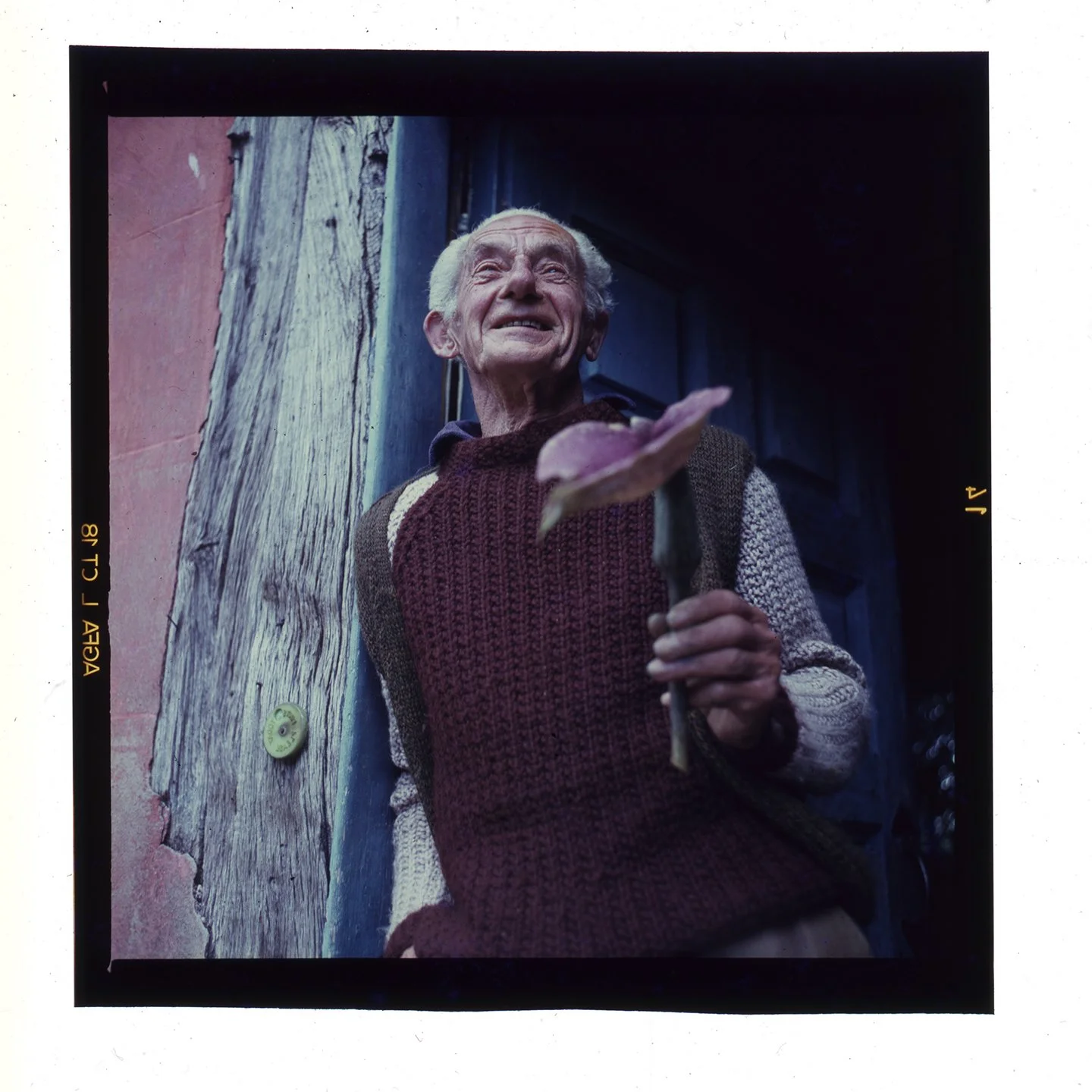
Artist, plantsman Cedric Morris. Image: Dinah and Wilf Wood
There are many interesting moments in the history of flowers and gardens that we wish we could have witnessed. Lately, Anna has been thinking about these two.
The first one took place in 1841 on the island of Réunion (then called Bourbon Island) when an enslaved 12-year-old, Edmond Albius, succeeded in fertilising the vanilla flower by hand. His accomplishment was truly remarkable, and it later led to revolutionising the vanilla industry.
Albius did something that others — despite being free — had long tried but failed to achieve. How did he manage to not to let his mind and curiosity become enslaved? Was it thanks to his passion for plants that he survived the inhumane, unjust living conditions he was subjected to?
There is a new book (2025) about Albius by Gaëlle Bélem, titled The Rarest Fruit. It is on Anna’s reading list.
The other moment that intrigues her took place about a hundred years later in Britain. The artist Cedric Morris, who bred bearded irises, spotted a seedling with soft, muted colours. It was one of his own creations, and he named it ‘Benton Olive’.
Cedric lived in a house called Benton End with his life partner Arthur Lett-Haines, who was also an artist. The Garden Museum in London has been renovating the walled garden, and it is now open to the public for a limited time. It is definitely a top destination for all flower and art enthusiasts, and we dream of visiting it one day. In the meantime, we are treating ourselves to the beautiful images taken by James Horner, the head gardener at Benton End.
There’s a story about Cedric and his bearded irises in our Iris Issue. Have you already read it? Don’t miss it. Just subscribe and enjoy.
In Finland, the irises are just about to start blooming.
Yours,
Anna & Kreetta
Would you like to know more about Edmond Albius? Visit the Linnean Society.
